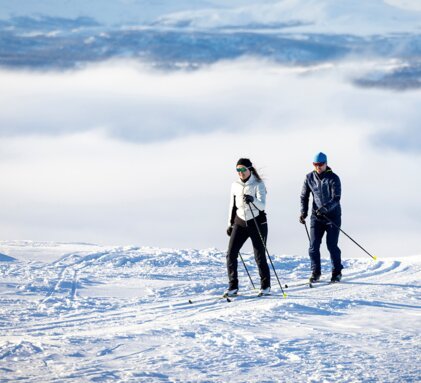
Some do it because it's a great workout. Some because it's a fantastic nature experience. And some because it's – simply great. What are we talking about? Cross-country skiing, of course!
Apart from the benefits just mentioned, cross-country skiing has another major advantage: it is the ideal winter sport for beginners. Why? Because you don't need expensive equipment or a lot of prior knowledge. What's more, you can get started almost anywhere you can find cross-country ski trails.
But before you hit the trails for the first time, you should know the basics of the sport. We have compiled the best cross-country skiing tips for beginners, focusing on technique , equipment and the right preparation.
Skating vs. classic: which cross-country skiing technique is better for beginners?
Unlike alpine skiing, cross-country skiing involves using special skis and poles to move under your own power across flat or hilly terrain. Two techniques are used: skating and classic. Which one is better depends primarily on your personal requirements and goals.
The classic technique for cross-country skiing at a glance:
The classic technique is usually considered the better way to get started. The sequence of movements is based on the natural walking motion, which makes it easier to keep your balance. What's more, you make progress in the predetermined cross-country ski tracks, which provides additional stability. This reduces the amount of coordination required and beginners benefit from a secure sense of movement.
Characteristics of the classic cross-country skiing style:
- Similar movements to walking
- Based on the diagonal stride
- Particularly suitable for flat or slightly hilly terrain
- Less demanding to learn than skating
Is the skating style of cross-country skiing a good idea for beginners?
The skating technique, on the other hand, is more dynamic and is reminiscent of ice skating. It allows for more speed and is considered more athletic, but also places greater demands on balance, strength and technique. Without a ski course, mistakes can quickly manifest and the movement is more demanding overall. Nevertheless, skating can be an attractive option for sporty beginners with a good level of fitness, especially if they enjoy more intensive training.
Characteristics of the skating style:
- Similar movements to ice skating
- More dynamic and powerful
- Ideal for more athletic people due to higher speeds
- Particularly suitable for steeper ascents
To summarise, the classic technique is the better and more relaxed introduction to cross-country skiing for most beginners. However, if you are already active and are looking for a more dynamic challenge, you can also start with the skating technique. Local ski schools often offer courses for those interested in cross-country skiing.
5 tips for cross-country skiing beginners
Now that you know what you need for your first time, it's time to start learning! What's the best way to start? Here are our top 5 cross-country skiing tips to help you prepare for your first day on the trail:
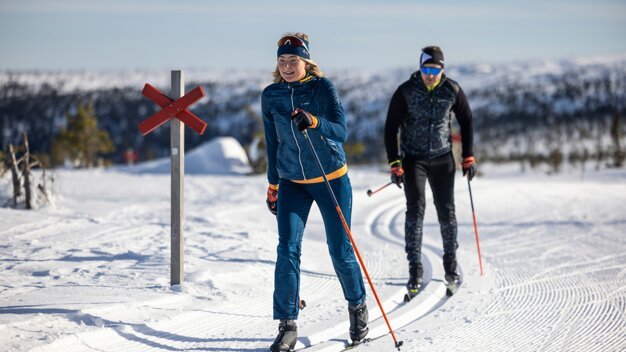
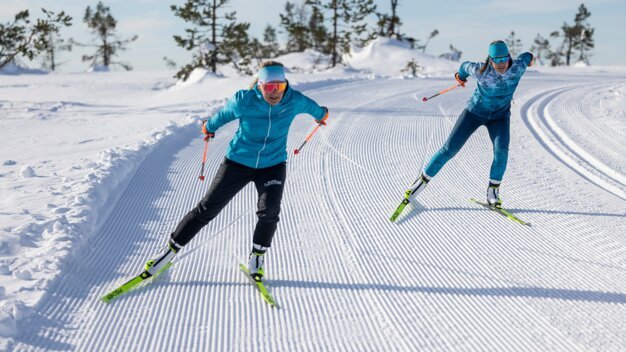
Tip 1: Get fit with endurance sports
You don't have to be a top athlete to learn cross-country skiing. But as with any other sport, it helps if you have at least a basic level of fitness. You can train your physical condition particularly efficiently with endurance sports such as running or cycling as well as ski fit exercises.
The movements in both Nordic walking and inline skating are similar to those in cross-country skiing. While Nordic walking is similar to the classic style, inline skating is more like skating. Both sports are therefore ideal for preparing you for your first cross-country
Tip 2: Choose the right technique to get started
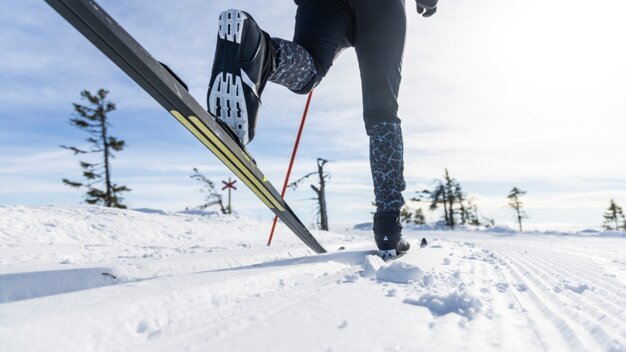
The classic style is particularly suitable for beginners, as the movements are similar to natural walking and take place on groomed trails, which provides additional orientation and stability. Good basic stamina and a sense of rhythm are helpful prerequisites here, but no special prior knowledge is required.
The skating style, on the other hand, is more dynamic and strength-intensive, as the skis are pushed off to the side and more balance and coordination are required. It is recommended for ambitious beginners or people with experience in inline skating, ice skating or other endurance sports.
Tip 3: Learn cross-country skiing technique from the pros!
The timing of the movements plays an important role in both techniques. However, if done incorrectly, cross-country skiing can become quite strenuous. Appropriate courses help you to perfect the gliding movement. This way, you will learn the right technique right from the start and you won't be out of breath after just ten minutes.
Cross-country skiing courses for beginners
For beginners, it makes sense to attend a cross-country skiing course before embarking on your first off-piste adventure. Most ski schools offer courses for classic and skating techniques. They will teach you the correct movement in just a few hours. Many even offer biathlon courses.
Wouldn't it be nice to start your cross-country skiing career together with like-minded people? Plus, with a few expert tips, you'll get a lot more out of your experience and make rapid progress!
Tip 4: Guidelines for cross-country skiing according to FIS!
As with alpine skiing, the Fédération Internationale de Ski (FIS) has also established a set of rules for cross-country skiing. Follow them on topics such as overtaking, oncoming traffic and consideration for others to ensure a safe and enjoyable experience for you and other cross-country skiers.
Tip 5: Don't give up and keep going!
Don't expect everything to work straight away! Especially at the beginning, it takes a bit of practice to get the hang of it and falls are absolutely normal. It happens to everyone. The important thing is to keep going and not give up.
Common mistakes for beginners in cross-country skiing – whether classic or skating
Anyone starting a new sport will make mistakes at the beginning: This is simply part of the process and usually spurs you on to study the subject even more intensively. Our RENTertainers have compiled a list of the most common mistakes when starting out in both classic and skating styles:
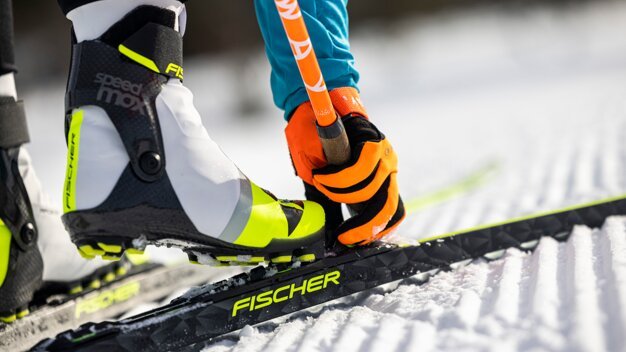
Common beginner mistakes in classic cross-country skiing:
- If the center of gravity is too far back, the skis may not grip properly.
- A lack of clear push-off over the ball of the foot, resulting in an incorrectly loaded climbing zone.
- Too short a stride leads to the gliding phase being interrupted and inefficient.
Common mistakes for beginners when skating:
- A V-stance that is too narrow leads to incorrect loading, making progress difficult.
- Concentrate on the correct footwork at the beginning. Especially when starting, you will be tempted to generate the majority of your turns with your poles.
Attending a ski school can help to alleviate your fears about taking your first steps. The instructor will not only help you to learn the technique in a safe environment, but will also correct any mistakes that may have crept in.
Choosing the right cross-country ski trail: What to look out for
There are two types of different of cross-country ski trails:
- Classic trails with two parallel tracks
- Skating trails, which are wide and smoothly groomed
Many trails offer both, i.e. classic tracks run along the edge, while the centre is intended for skating. There are also easy (blue), medium-difficulty (red) and difficult (black) trails, which are colour-coded like ski slopes. Anyone who sets off on a cross-country ski trail should have heard of the principle of consideration at least once:
- Take off in the right direction
- Keep your distance when overtaking
- The classic tracks must not be stepped on or damaged when skating.
Equipment tips for cross-country skiing beginners
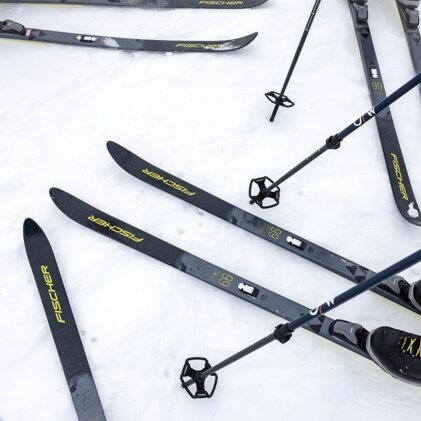
Compared to other winter sports, you don't need much equipment for cross-country skiing. You only need cross-country skis, suitable bindings, boots and poles. Here is a summary of the most important information:
Cross-country skis – overview for beginners
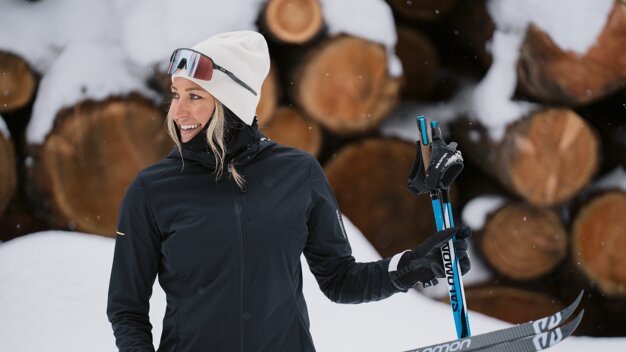
Choosing the right skis is crucial to guarantee a pleasant and efficient cross-country skiing experience. Depending on the technique, terrain and personal preferences, there are different types that vary in length, width and construction. For beginners, it is important to choose the right ski to make the introduction to the classic or skating technique as easy as possible. Here is an overview of the ski types:
Classic cross-country skis
- Long and narrow with a short climbing zone
- Ideal for the classic variant on the cross-country trails
Backcountry skis
- Shorter, wider version of the classic skis with a longer climbing zone
- Metal edges for more grip on icy sections
- Ideal for cross-country skiing in untracked terrain away from the classic trail
Skating skis
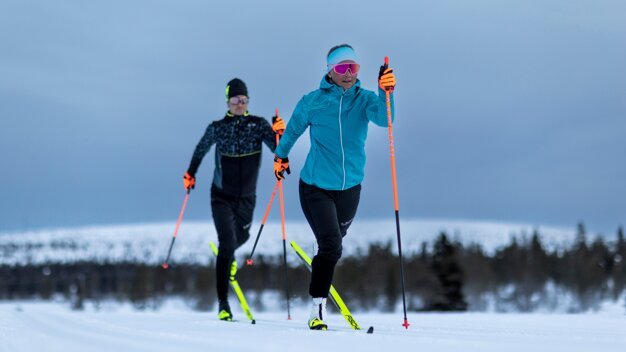
- Narrow and stiff with a continuously smooth surface
- Approx. 10 cm shorter than classic cross-country skis
- Ideal for the skating technique
Everything beginners need to know about cross-country skis
A key factor is the comfort and efficiency of your cross-country ski boots. They are specifically designed for your technique and provide support, flexibility and stability. To get the best possible traction on the trail it is important to know the exact characteristics of your shoes.
Classic shoes
- Soft outsole for a natural rolling motion
- Lower shaft for maximum freedom of movement
- Ideal for classic cross-country skiing
Skating boots
- Stiffer outsole for more precise power transmission
- Higher shaft for more stability and support
Want even more helpful tips on choosing your cross-country skiing boots? Find out how to choose the right models in our blog post!
Cross-country poles: The right pole length for full performance
Cross-country poles are an essential piece of equipment and play an important role in the correct movement sequence and power transmission. The optimum pole length depends on your height and the chosen technique - classic or skating. With the right poles, you can improve your technique and glide more efficiently across the trail.
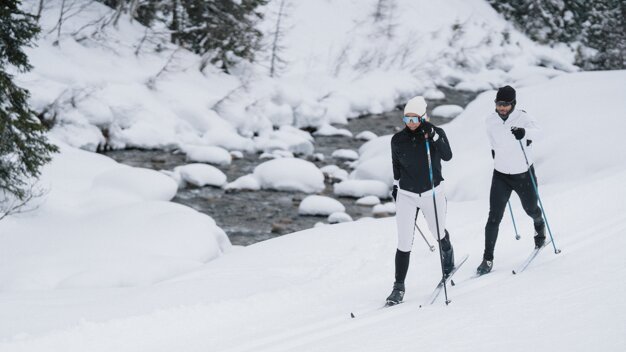
Cross-country poles for the classic style:
- The pole grip should reach up to your armpit.
- Calculation: Body height in centimetres x 0.85
Poles for the skating technique:
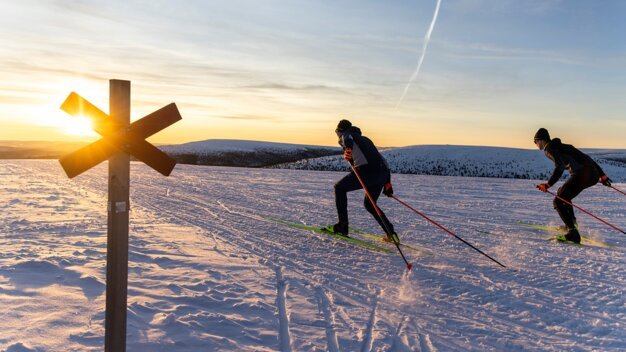
- The pole handle should reach up to your ear or nose.
- Calculation: Body height in centimetres x 0.90
For more information and practical tips on how to choose and use cross-country poles correctly, we recommend the following blog post:
What clothing do you need for cross-country skiing?
As with almost every winter sport, the magic word for cross-country skiing is the "onion principle". This keeps you flexible and protected from winter conditions:
- Base layer: functional underwear (e.g. made from merino wool) for optimum sweat transport
- Mid-layer: A fleece shirt to keep you warm
- Outer layer: A cross-country jacket and trousers to protect you from the wind and cold
The right cross-country skiing clothing is crucial for staying warm, dry and agile when cross-country skiing. With the layering principle, you are optimally equipped for changing weather conditions and can enjoy winter sports to the fullest.
Simply rent cross-country skiing equipment from INTERSPORT Rent
If you would like to try cross-country skiing without investing in a full set of gear, our ski rental is the perfect option. At INTERSPORT Rent, you get high-quality cross-country skiing equipment – from skis and poles to boots. So you can hit the trails fully outfitted without making a long-term commitment.
Your introduction to cross-country skiing - with our tips for beginners!
Cross-country skiing is the ideal winter sport for beginners. With the right technique, suitable equipment and the tips mentioned above, you can enjoy your first tour on the trail.
It doesn't matter if you prefer classic technique or skating - the main thing is to have fun, keep going and keep moving in the fresh air.
Frequently asked questions about cross-country skiing:
Is cross-country skiing a sport that is easy on the joints and back?
Cross-country skiing is easy on the joints and the back and scores points with its gentle, gliding movements. In contrast to jogging, there are no strong impact loads, so the spine is relieved and the intervertebral discs are protected. Cross-country skiing is therefore particularly suitable for people with back problems or who are overweight.
What does cross-country skiing equipment cost?
The cost of cross-country skiing equipment varies depending on the quality and brand:
- Cross-country skis with bindings: Between 120 and 450 euros for beginner models.
- Cross-country skiing boots: From simple models from 70 euros to high-quality models up to 500 euros.
- Cross-country poles: Depending on the material and model, simple aluminium poles are available from 15 euros or poles made of carbon from around 50 euros.
Plan additional costs for functional cross-country skiing clothing. Depending on the brand, you can expect to invest between 250 and 400 euros.
How do you slow down when cross-country skiing?
There are several techniques for braking when cross-country skiing:
- Ploughing technique: Similar to alpine skiing, the tips of the skis are brought towards each other and the heels are pushed outwards. The resulting "V" exerts pressure on the inside edges and reduces speed.
- Half plough: Here, one cross-country ski remains in the track while the other ski is turned out to the side to reduce speed.
- Stop turn: This is a technique for advanced cross-country skiers. The ski is abruptly slowed down by a quick turn and edge position.
In order to always be safe and in control on the trail, it is recommended to learn these techniques under supervision, e.g. in a cross-country skiing course.
How fit do you need to be to cross-country ski?
Cross-country skiing is suitable for different fitness levels. Beginners can start at a moderate pace and shorter distances and gradually increase. As the pace and intensity can be customised, cross-country skiing is suitable for both beginners and trained athletes.
How fast can you go when cross-country skiing?
The speed of cross-country skiing varies depending on the technique, terrain and fitness level: while fit beginners can reach speeds of between 8 and 12 km/h with the classic style, experienced cross-country skiers can reach speeds of between 15 and 18 km/h with the skating technique. In downhill areas, however, professionals can also reach speeds of 60 to 80 km/h.
INTERSPORT Rent tip
The RENTertainer recommends
We're sure you'll love it!
So that you don't have to invest in full equipment right away, stop by the nearest INTERSPORT Rent shop before you hit the trails for the first time! Our RENTertainers will be happy to provide professional equipment for your first cross-country skiing adventure.
Related articles
You may also be interested in: